









 33 Ubi Ave 3 #05-57 Singapore 408868
 Menara MBMR, 1 Jalan Syed Putra , 3-03a, 58000 KL , Malaysia











值得信赖的平台,由...保护



© 2026 Antbuildz.com Pte Ltd 版权所有
© 2026 Antbuildz.com Pte Ltd 版权所有

类别


条件
New/Used/Scrap

位置
让我们购买

Accidents? We have an excess waiver insurance that protects your vehicle rental if you ever get into one! Up to S$1,000. Learn More
未找到设备
目前看来,类别可能已经全部售罄。然而,Antbuildz团队与东南亚的供应商有着紧密的联系。请随时在收件箱留言,我们将很乐意帮助您解决设备需求。
Singapore
Malaysia
Explore equipment from other categories

used

3.0/5
合作伙伴评级
星级评分是为了反映所有者的设备质量、故障响应时间、送货/收货的准时性和沟通的及时性。
2019 Land Rover Velar 2.0a Si4 R-Dynamic SUV
TE-0524-2024
查看规格

Singapore Mainland
SGD186,988
USD140,496.99

目录
Transmission
1 1 for Auto, 2 for Manual
探索更多物品!
Buy new or used Conventional Car equipment at the best prices across Southeast Asia, including Singapore, Malaysia, Indonesia, Thailand, the Philippines, Vietnam, and more. Instantly compare all available units—new or used—on Antbuildz.com for the best deals in the region. Purchase with confidence and enjoy free 1-year all-risk insurance on every equipment purchase
关于 Conventional Car :
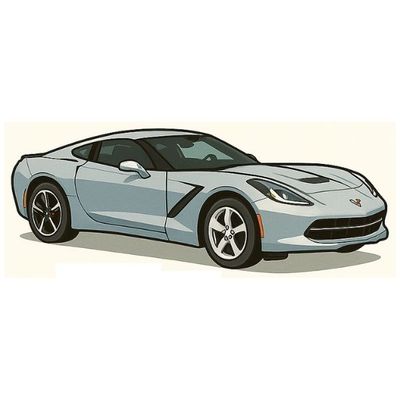
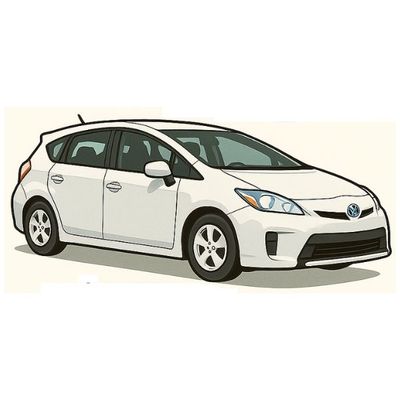
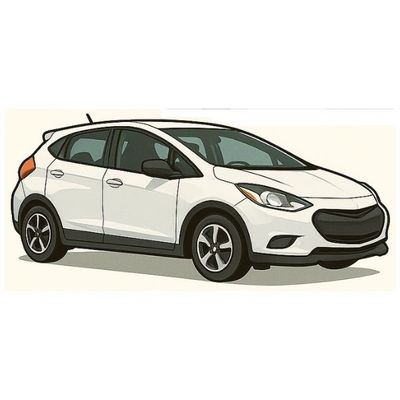
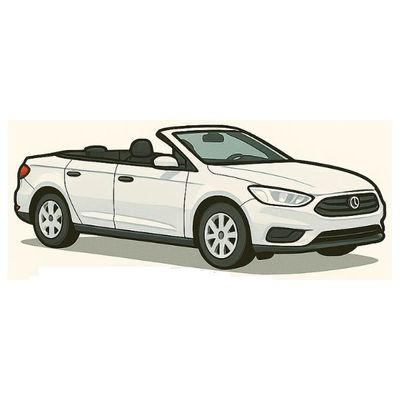
A conventional car refers to a traditional internal combustion engine (ICE) vehicle powered by gasoline or diesel. These cars operate with an engine that converts fuel into energy, driving the vehicle through a transmission system. Conventional cars are the most common type of vehicles on the road, offering a wide range of body styles including sedans, SUVs, hatchbacks, and coupe models. These cars are popular for their affordability, availability, and proven performance.
Unlike electric cars (EVs) or hybrid cars, conventional cars do not require charging stations and rely on traditional fuel sources. They also tend to have a lower initial purchase price compared to electric vehicles (EVs) or hybrids. While conventional cars are seen as less eco-friendly due to their emissions, modern technologies have made them more fuel-efficient and cleaner than ever.
Reliable, Affordable, and Familiar—Why Conventional Cars Remain a Top Choice
Purchasing a conventional car powered by gasoline or diesel offers proven technology, accessibility, and versatility for daily driving needs.
Here’s why conventional cars continue to be a popular option:
Important Factors to Consider When Buying a Gasoline or Diesel Car
Selecting the right conventional car depends on your budget, driving habits, and preferences.
Keep these points in mind:
33 Ubi Ave 3 #05-57 Singapore 408868Menara MBMR, 1 Jalan Syed Putra , 3-03a, 58000 KL , Malaysia值得信赖的平台,由...保护
© 2026 Antbuildz.com Pte Ltd 版权所有
© 2026 Antbuildz.com Pte Ltd 版权所有